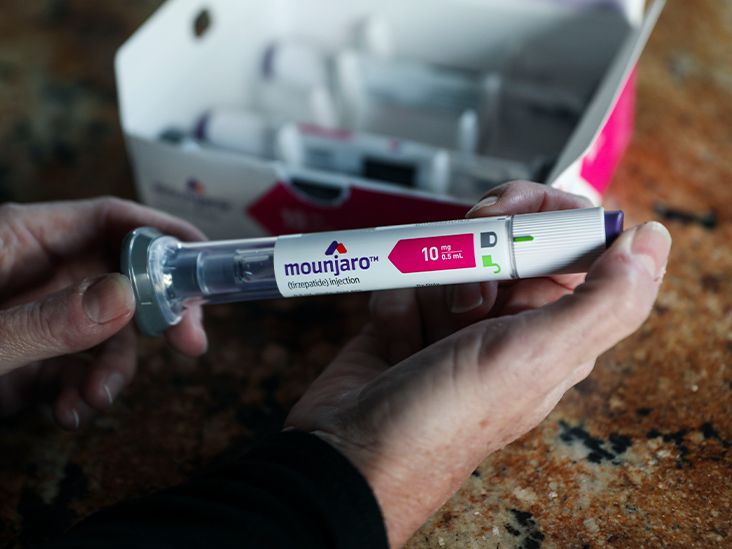
GLP-1s interact with several medication classes. Some interactions may lead to drugs being less effective, while others may lead to an increased risk of side effects.
Did you know: GLP-1s can slow digestion. This affects how and when other medications are absorbed. This can impact medications that must be absorbed within a specific window, as well as medications for people with diabetes and other chronic conditions.
Ways to prevent interactions with GLP-1s
Taking GLP-1s with other medications
Because of how GLP-1s work in your body, they have the potential to interact with other medications you may be taking.
For example, GLP-1s can work by helping your body make and release more insulin. Taking them with other drugs that do the same, such as other diabetes medications including insulin, can cause you to have too much insulin in your body. This can lead to low blood sugar levels.
Read these examples of drugs that may interact and what can happen if they are taken with GLP-1s.
What can happen: can increase the risk of low blood sugar
This is not a full list of drug interactions with GLP-1s. Also, there may be some differences in interactions between the GLP-1s.
Talk with a doctor about all the medications you take so they can assess whether it is safe for you to use a GLP-1.
Alcohol and GLP-1s
Did you know: There are no known interactions between alcohol and GLP-1s. But “no interaction” doesn’t mean “no impact”.
GLP-1s can reduce your appetite and, as a result, your food intake. Lower food intake means alcohol enters the bloodstream faster, which means you may become intoxicated more quickly than you expect.
If a doctor says you can drink alcohol during treatment with GLP-1s, it’s still important to limit consumption. There is no problem with drinking the same day you get your injection or shortly after you take your pill.
Try drinking plenty of clear fluids, such as water and broth, when you drink alcohol to help avoid or lessen side effects.
Digestive symptoms
Drinking alcohol often causes digestive symptoms similar to GLP-1s, like diarrhea and vomiting. Combining GLP-1s with alcoholic drinks may increase the chance of experiencing these.
If you already experience digestive side effects from GLP-1s, drinking alcohol may intensify or worsen these symptoms.
Diarrhea and vomiting can lead to dehydration, which can become severe and potentially lead to kidney complications. Severe dehydration is a medical emergency that requires immediate care.
Avoiding alcoholic drinks with added sugar is also important to prevent a rise in blood sugar levels. For example, margaritas and piña coladas.
“Drinking small amounts of alcohol occasionally may have minimal impact on blood sugar. Larger or more frequent consumption can impair glucose metabolism, increase insulin resistance, and lead to unstable blood sugar patterns over time, especially in people with diabetes.”
Stanley Saji, PharmD, MBA, RPh
Can you take supplements on GLP-1s?
Eating less means getting less of certain nutrients, so you may need a targeted supplement routine to fill those gaps.
Some herbal supplements can affect your blood sugar levels. Since some GLP-1s work to decrease blood sugar, a doctor may recommend avoiding certain herbal supplements.
Prioritize
Avoid
Iron
Gymnema
Zinc
Prickly pear
Vitamin B12
Bitter melon
Vitamin D
Fenugreek
Talk with a doctor before starting any new supplements, especially if you’re on other medications.