














The Fast Facts
- Calorie counters can help support weight management or food tracking.
- While they may not be suitable for everyone’s health goals, they can help people track whether they are eating too much, or too little.
- For a holistic approach, give Noom a try. Or, check out the ever-popular MyFitnessPal for easy barcade scanning and macros.
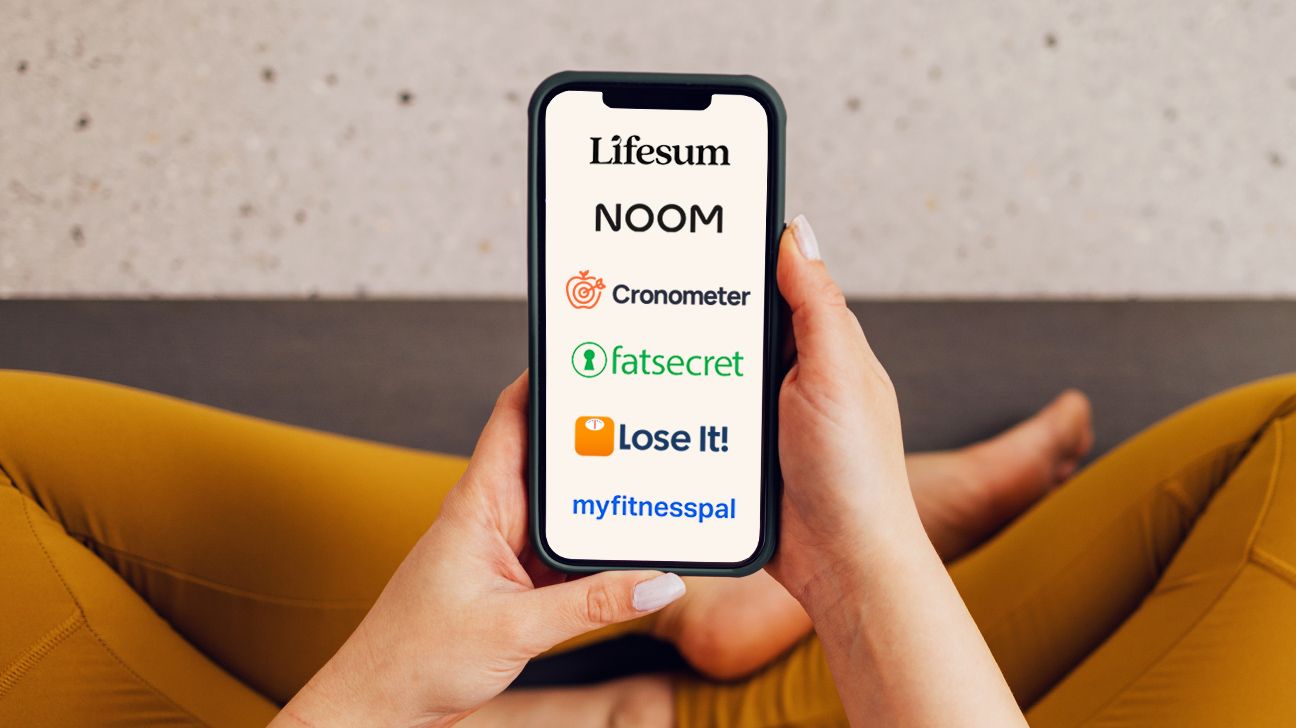
For some people, tracking food and calorie intake can be helpful for promoting weight loss or management.
Research shows that people who log calories lose more weight, even if they don’t tracke very single thing they eat.
These days, counting calories is very easy. Many websites and apps can help you log your meals and track your intake. Many offer barcode scanning or even estimate calories from pictures you upload to the app. Plus, most offer at least a basic version for free, allowing you to try them out before dedicating your time and money.
Keep in mind
While logging calories can be a helpful weight loss tool for some, it’s important to note that tracking food and calories has been linked with unhealth behaviors
Tracking foods and logging calories are not always necessary for healthy weight loss. If you’re trying to gain or lose weight, it’s important to find methods that are effective and don’t have a negative impact on your physical or mental health.
Wellos is owned by RVO Health. By clicking on this link, we may receive a commission. Learn more.
• $24.99/mo
• $99.99/yr
• extensive recipe and exercise databases
• syncs with fitness devices
• $79.99/yr
• $299.99 lifetime
• includes an active community feature
• syncs with health apps
• $14.99/mo
• provides access to community challenges and forums
• includes healthy recipes and exercise log
• $10.99/mo
• $60/yr
• includes a fasting timer for people following intermittent fasting
• user-friendly interface
• no off-limits foods or food types
• focuses on creating lifestyle changes
• $30/3 mo
• $50/6 mo
• $100/yr
• provides food and meal ratings to encourage healthier choices
• offers vegan, keto, paleo, and intermittent fasting meal plans, among others
• $60/year
• has a food grading system to improve diet quality
• includes numerous recipes and tracking reminders
• $15/yr
• includes tracking reminders
• uses USDA food database
Searching for top health products and services?
We do the work so you don’t have to. Our evidence-driven reviews and brand comparisons make your search simple and help you live your healthiest life.
Here’s what we took into account to select the best calorie counter apps:
- Transparency: We selected apps with websites that are transparent about the apps’ features, frequently asked questions, and subscription or billing options to help you avoid unwanted surprises on your calorie-tracking journey.
- User reviews: We focused on highly rated apps with user reviews no more than a few months old.
- User-friendliness: We did our best to choose the most user-friendly apps to ensure that you’d have the best possible experience.
- Price: We included options suitable for all budgets, from fully free to subscription-only apps.
- Features: We carefully chose apps that offer the best possible features in their free versions or have features worth paying for.
- Reviews: We did a deep dive into customer reviews to see whether each app is useful and effective and whether it lacks something you may be looking for.
- Vetting: The apps on our list have been vetted to ensure that they align with Healthline’s brand integrity standards and approach to well-being. You can read more about our vetting process.
Here are some important factors to consider when choosing a calorie counter app:
- Preferences: Every calorie counter app is different. Some are more individualistic and straightforward, while others connect you with a community of users. Be sure to choose the app that best suits your needs.
- Dietary requirements: Some apps can help you reach your dietary goals when following a specific dietary pattern, such as keto, vegan, vegetarian, paleo, or low carb.
- Membership billing: Take the app’s billing method into account if you decide to upgrade to a premium version. While most apps list their monthly fees, some may charge you annually.
- Compatibility: Some apps automatically integrate data from other devices or apps, which can further help you achieve your goals.
Heads up
Trying to “do it right” when it comes to nutrition may feel tempting, but it can backfire.
If you’re preoccupied with food or your weight, feel guilt surrounding your food choices, or routinely engage in restrictive diets, consider reaching out to a healthcare professional for support. These behaviors may indicate a disordered relationship with food or an eating disorder.
Disordered eating and eating disorders can affect anyone, regardless of:
- gender identity
- race
- age
- body size
- socioeconomic status
- other identities
They can be caused by any combination of biological, social, cultural, and environmental factors — not just by exposure to diet culture.
Feel empowered to talk with a qualified healthcare professional, such as a registered dietitian or mental health professional, if you’re having a hard time.
You can also chat, call, or text anonymously with trained volunteers at the National Eating Disorders Association helpline for free or explore the organization’s free and low cost resources.
Most people have a negative perception of the word “calorie,” but a calorie is simply a unit of measure for energy.
A splash of milk in your coffee might have 5 calories — that’s 5 energies, in other words. If you consume enough energy, your body uses it as fuel. If you consume more energy than your body needs, your body stores the extra.
Scientifically, a
The calories you consume each day make up your
“Energy balance” is a term used to indicate that your calorie intake matches your expenditure. According to the “calories in, calories out” paradigm, energy balance helps maintain your body weight.
A calorie deficit can lead to weight loss, while a calorie excess or surplus leads to weight gain.
You can reach a calorie deficit by reducing your calorie intake or increasing your expenditure — or both. In contrast, you can create a calorie surplus by increasing intake, reducing expenditure, or both.
Calorie-counting apps and other self-monitoring technologies are great tools that allow users to monitor their food intake and dietary choices.
While most research on the impact of calorie counter apps and body weight centers on their beneficial effects for weight loss, some studies also point out other highly valuable benefits.
For instance, food logging may also encourage healthier choices, like more fruits, vegetables, whole grains, and other nutrient-rich foods that support overall health — one of the main goals of nutrition interventions.
In addition, just as it recommends a maximum number of calories to consume to reach your target weight, a calorie monitor can help you find out whether you’re eating too little. Consuming too few calories can lead to rapid weight loss that isn’t sustainable over the long term and may even be harmdul to your health.
Your RMR is the number of calories your body burns at rest. A slowing of this rate helps prevents excessive weight loss, which may lead to weight regain.
Lastly, some apps also
It’s worth keeping in mind that if weight loss is your goal, sustainable weight management often includes a balance of good nutrition and
Medical PerspectiveCalorie-counting apps can guide your choices and help you reach your health goals, but it’s just as important to listen to your hunger, choose nutrient-dense foods, and look at long-term patterns rather than stressing over every calorie.
Find out how to lose weight without counting calories here.
Quotes represent the opinions of our medical experts. All content is strictly informational and should not be considered medical advice.
Calorie counter apps often have millions of foods to choose from, with different available serving sizes to match what’s on your plate. But they are not 100% accurate for multiple reasons.
Food logging requires time and effort. While technology has made it easier, the process still relies on users’ discipline — and even their memory, if they log their intake afterward.
Users may also incorrectly track their food intake, either by inaccurately logging or estimating amounts or by neglecting to track some ingredients, which may add or subtract calories from their calorie budget.
Eating out? That’s another area where calorie counting might not be accurate. Restaurant food preparation methods can vary greatly. However, most chain restaurants will often have calorie and nutrition information on their websites and on actual menus.
Before calorie counter apps existed, people used multiple techniques or tools to account for a day’s worth of calories. You may want to try one of these if you find calorie-counting apps too tedious or burdensome.
Common tools include:
- food photos
- portion lists
- measuring tools such as tablespoons and measuring cups
- food scales
- hand measures such as the size of your palm or fist or the width of your fingers
- food models that help compare food with different-sized objects such as golf balls or decks of cards
Still, keep in mind that whether you rely on an app or not, calorie counting is more of an estimation than an exact measurement. In either case, it will take practice and patience to improve your estimates.
MyFitnessPal is one of the most popular calorie counting app due to how easy and intuitive most people find it to use. This is why it’s our pick for the best overall app to download.
However, other apps might offer better features for your journey. If you are looking for an app that takes into account specific dietary concerns or meal plans, then another app like Cronometer might be better.
Calorie counters and nutrient trackers are incredibly useful if you’re trying to lose, maintain, or even gain weight.
They can also help you make specific changes to your diet, such as eating more protein or fewer carbs.
However, there’s no need to track your intake constantly.
You can try tracking it occasionally or for a few days or weeks to get a more nuanced view of your diet.
That way, you’ll know exactly where to make adjustments to achieve your goals.