














The Fast Fixes
- Probiotics may help support digestive and immune health in children. Some research suggests they may address specific concerns like constipation, acid reflux, and diarrhea.
- When choosing a probiotic for your child, consider factors like colony-forming units (CFU) count, strains, form, dietary needs, and your budget.
- Our picks include SmartyPants Kids Immunity Formula for gummies, Seed PDS-08® for kids and teens, and Garden of Life RAW Probiotics for infants. Always talk with your child’s pediatrician before starting probiotics.
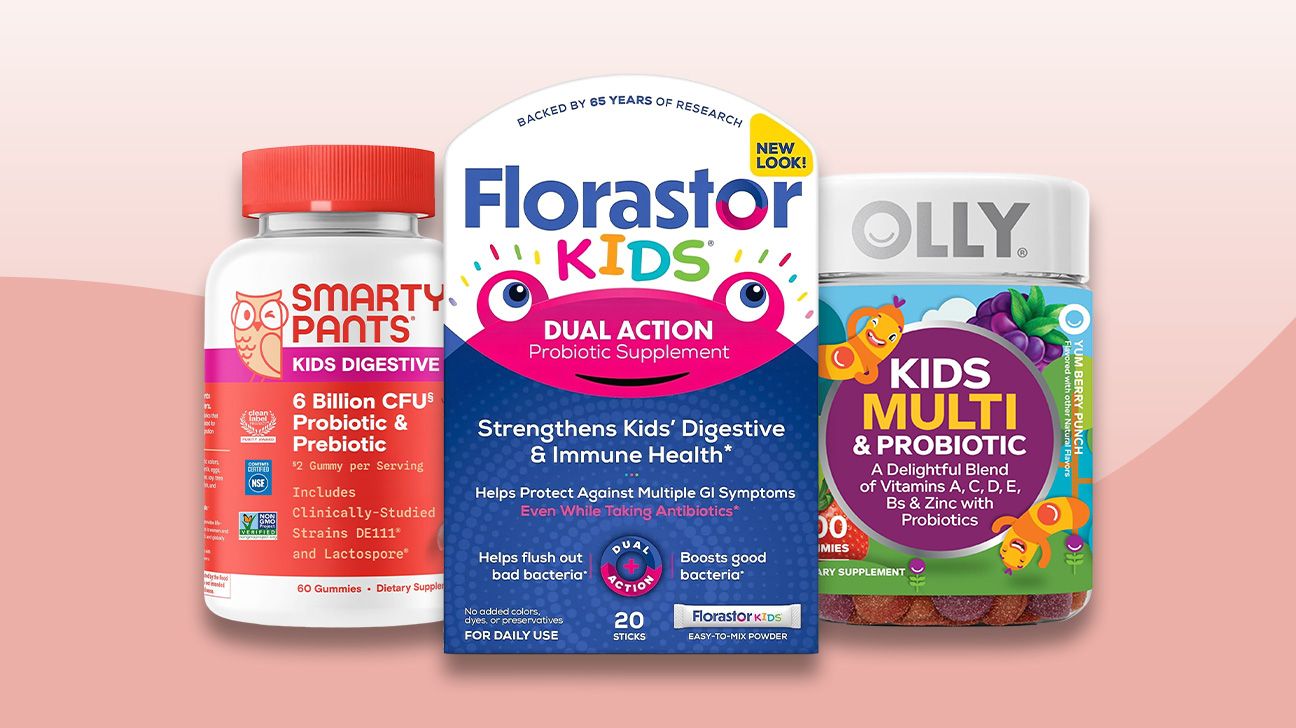
Whether you want to promote a strong immune system or boost good gut bacteria, you may want to check out these kid-friendly probiotics.
While probiotics are often touted as potentially beneficial for adults, some research shows they may benefit children.
Much like they do in adults,
The best probiotic to choose for your child, however, will largely depend on their needs.
If you’re considering probiotics for your kids, it’s important to speak with their pediatrician first.
Once you’ve both decided that probiotics are right for your child, consider these 9 options.
- Best probiotic gummies for kids: SmartyPants Kids Probiotic and Prebiotic Immunity Formula | Skip to review
Here is a closer look at how these products compare:
Our Medical Standards and Insights team has carefully researched and vetted over 11,000 products and services. We fact-check health claims, evaluate ingredients, and look into each brand’s reputation before sharing products and services on Healthline.
To choose the products on this page, we considered all the probiotics that passed our vetting process. Then, we personally tested some of them to narrow down our list even further.
There are several factors to consider when determining which probiotic is right for your child, including:
- CFU count: While the recommended dosage may vary depending on your child’s age and health needs, most studies show that doses ranging from 10 million to 10 billion colony-forming units (CFUs) may be beneficial.
- Strains: Some strains of probiotics may be better suited to address certain health problems. Look for a supplement formulated to treat the aspects of health that are most important to you.
- Form: Probiotics are usually found as gummies, powders, or chewable tablets. Some kids may prefer gummies, while powders may be more suitable for infants and younger children. Keep in mind that gummy supplements should be kept out of reach of children.
- Dietary needs: If your child has any allergies, intolerances, or dietary restrictions, it’s important to find a probiotic tailored to their needs.
- Cost: Probiotics can vary quite a bit in terms of price, so be sure to consider your budget.
Keep in mind that probiotics should be used only as recommended by a healthcare professional. Be sure to talk with your child’s pediatrician before starting supplementation.
Probiotics are generally considered safe and well tolerated for children when used as directed.
However, probiotics may not be suitable for all children, including premature infants and children who are immunocompromised or critically ill.
In some cases, probiotics may also cause or worsen digestive issues such as bloating and gas.
Additionally, certain strains of probiotics may have different effects on health, and no two children have identical needs.
For this reason, it’s best to talk with your child’s pediatrician to determine whether probiotics may be beneficial for your child and which specific strains may be best.
Probiotics may be beneficial for some children and could help support the gut microbiome. However, probiotics are not necessary for everyone and may even have adverse side effects in some cases.
Therefore, it’s important to talk with your child’s pediatrician before giving your child probiotics or other supplements.
Gummy probiotics can help enhance the health of the gut microbiome and are chewable and easy to take, so they can be a good option for many children.
However, it’s best to talk with your child’s pediatrician to determine whether a gummy probiotic may be beneficial, depending on your child’s specific needs.
Also, keep in mind that gummy vitamins have a candy-like form that may increase the risk of overconsumption. Make sure to store gummy probiotics out of reach of children.
In adults, probiotics have been associated with a wide range of potential health benefits. They could help support immune function, promote digestive health, protect against certain skin conditions, and balance the beneficial bacteria in the gut.
Some research in children suggests that probiotics could be beneficial for the treatment of diarrhea, gastroenteritis, atopic eczema, and colic. However, more high quality studies are needed.
Probiotics may offer similar health benefits for children as they do for adults, such as supporting healthy digestive bacterial growth and boosting the immune system.
However, before introducing probiotics into your child’s diet, speak with their pediatrician to figure out whether probiotics are right for them.