Illustration of a protein bar coming out of a pouch
Back

Nutrition Guidance for GLP-1s

Nutrition Guidance for GLP-1s

What to eat on a GLP-1

Things like nausea, bloating, food aversion, and nutrient deficiencies can make eating difficult on a GLP-1.

Eating habits on a GLP-1 focus on prioritizing protein and eating smaller, more frequent meals throughout the day.

GLP-1 friendly foods and tips

Focus on protein for your first meal of the day, and opt for easy-to-digest foods like: 

  • plain yogurt
  • applesauce
  • bananas 

Avoid heavy, greasy, or fatty foods like:

  • pastries
  • bacon
  • pork
  • sausage

Fried eggs are OK, but use olive oil instead of butter.
Tips for snacking

Prioritize protein and avoid sugary snacks or drinks.

Foods to eatFoods to avoid
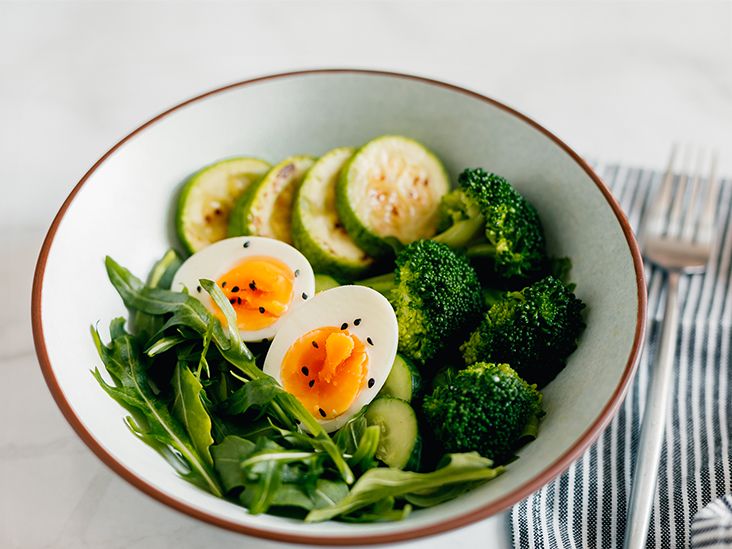
hard-boiled eggssoda, energy, and sports drinks
hummussweetened tea or coffee
edamamebakery items (cakes, cookies, muffins, and candy)
cottage cheesecondiments (ketchup, barbecue sauce)

Did you know: Alcohol can worsen GLP-1 side effects such as nausea, acid reflux, and vomiting, and it can lower your blood sugar. Avoid alcohol while you’re taking a GLP-1.

Protein requirements on a GLP-1

When you’re taking a GLP-1, you should aim to get around 1.5 grams of protein per kilogram of body weight.

A higher-protein diet helps reduce fat mass and preserve lean muscle mass.

Healthy proteins can include both animal and plant-based proteins.

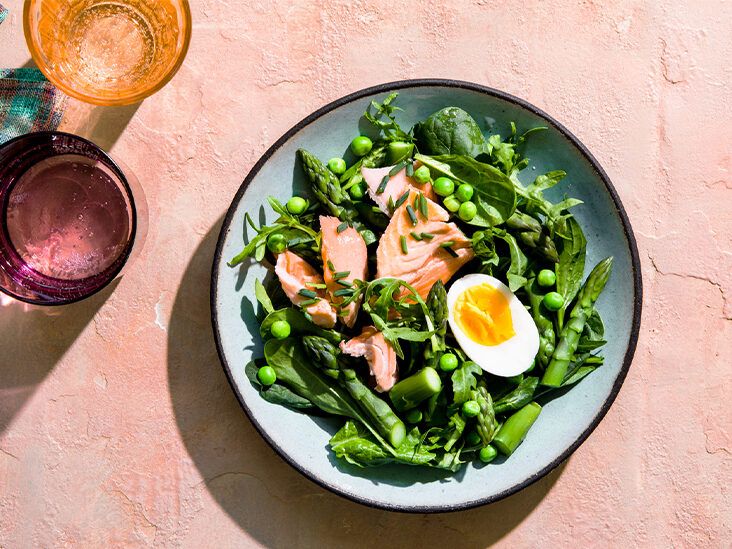
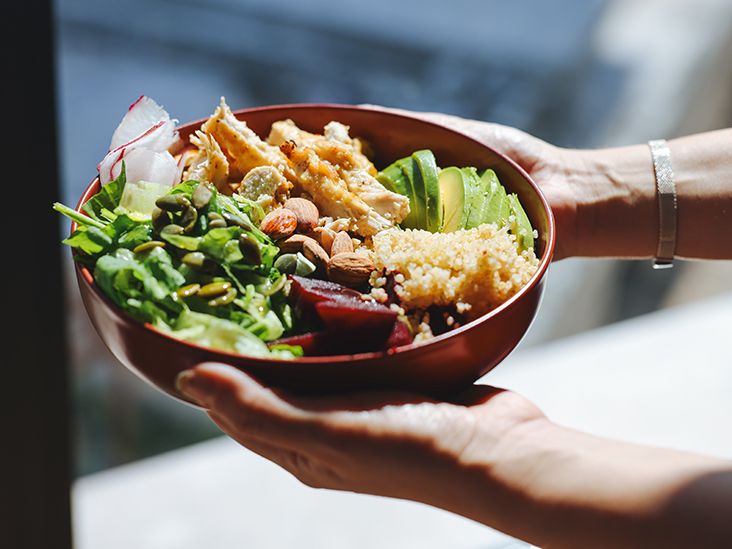
Try to get some protein at every meal throughout the day. For example: eggs and yogurt for breakfast, legumes for lunch, nuts and seeds for a snack, and lean poultry for dinner.

Carbs for diabetes

Even though protein is key while on a GLP-1, it’s still important to consume quality carbohydrates. The amount of carbs you eat daily is very personalized. Eat the number of carbs at which you feel best and that you can realistically maintain in the long term.

In general, the fewer carbs you consume, the less your blood sugar will rise. But restricting carbs isn’t the only way to lower blood sugar. It can also be lowered by eating a moderate amount of low-glycemic carbs or by pairing carbs with protein and fiber.

What to know: If you take insulin or diabetes medication, it’s very important to speak with a healthcare professional to ensure the appropriate dosage before reducing your carb intake.

Whole grains are an excellent source of energy and can help manage blood sugar. Fruits and vegetables are also great sources of carbohydrates. Be sure to choose whole fruits over juice to get the beneficial fiber.

Get an estimated breakdown of carbs, fats, and protein

Macro calculators tailor their recommendations based on your body composition, lifestyle, and fitness or weight loss goals. This offers a more personalized approach to nutrition to help you meet your goals.

Can I diet or fast while on a GLP-1?

Yes. However, diet or fast under medical supervision to ensure you’re getting enough nutrients.

Combining fasts with GLP-1s can worsen side effects like fatigue, hair loss, nausea, and diarrhea. It can also lead to unhealthy weight loss or muscle loss.

It’s best to eat small meals frequently throughout the day.

“If you don’t follow the recommended diet while on a GLP-1 drug, you may not get enough nutrients. This can cause problems like fatigue, hair loss, or muscle weakness. Diet choices that do not meet nutritional needs can also make side effects like nausea or constipation worse. And for people with diabetes, it may increase the risk of low blood sugar.”

Andrew Perugini, PharmD

Share this article